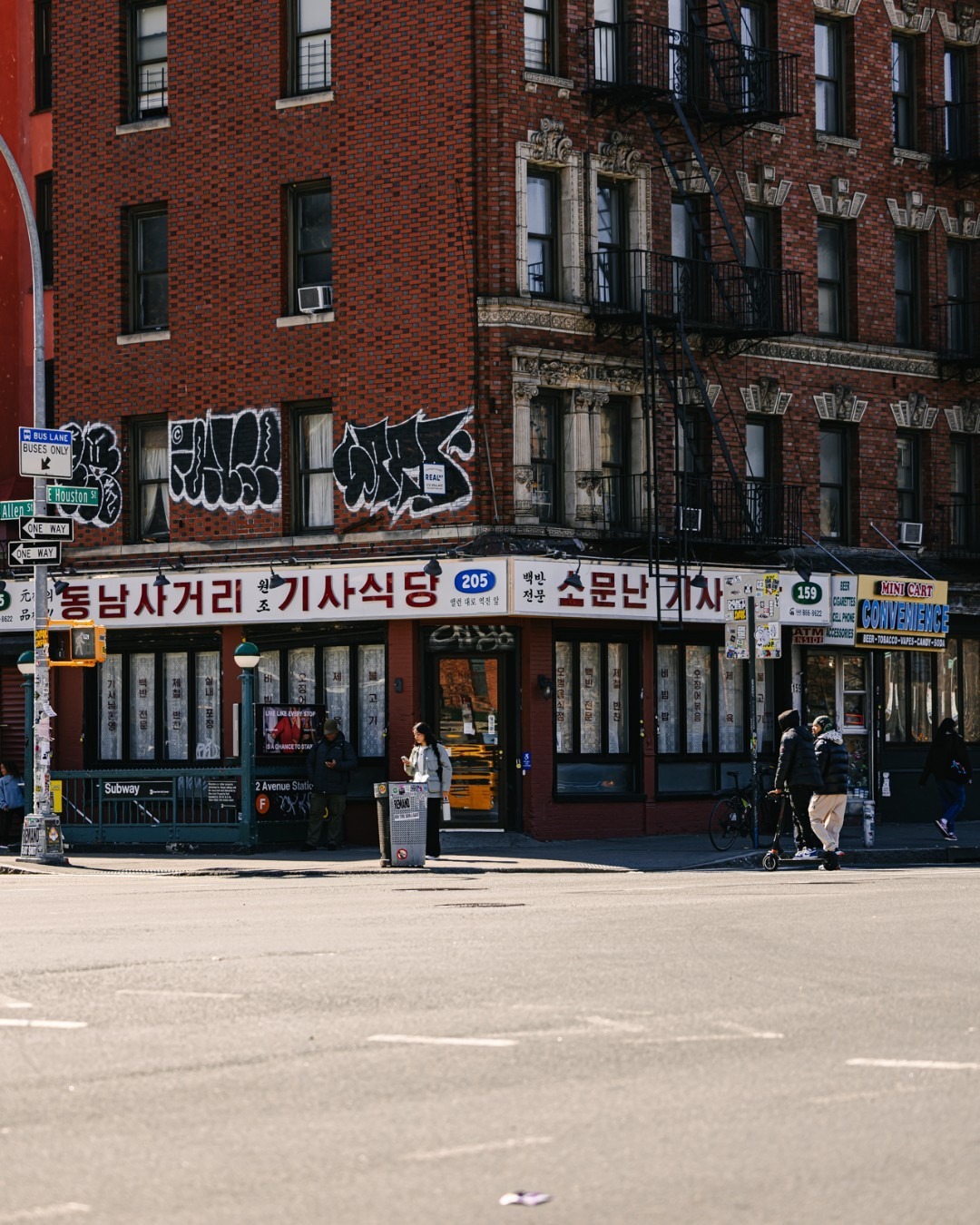
Walk into Kisa Sikdang and you're not entering a restaurant so much as stepping into a preserved moment from 1980s Korea. The concept—kisa sikdang, or taxi driver restaurants—is nearly extinct even in Seoul, making this Lower East Side location feel less like a trend and more like an act of culinary archaeology. The team behind C as in Charlie has done something rare: they've resurrected an entire dining culture, not as pastiche, but as the real thing.
The format is refreshingly rigid. Four dinner options at $32 each, all structured around baekban—the traditional Korean home-cooked meal template of rice, soup, and banchan (side dishes). There's spicy squid glazed in gochujang, deeply marinated pork charred at the edges, bulgogi sliced into smoky ribbons, and a steamed egg souffle studded with carrots and celery. These aren't restaurant dishes pretending to be homestyle. They are homestyle, executed with precision. The squid is tender, the sauce spicy but balanced, the slight sweetness tying everything together. The pork arrives with the kind of char that only comes from real heat and real attention.
What makes Kisa matter now is scarcity. Not the artificial kind that luxury restaurants manufacture, but the genuine disappearance of a way of eating. In Korea, these restaurants are closing. In New York, this might be the only authentic version you'll find. One diner described the experience as "genuinely feeling like being back in Korea. It almost brought tears to my eye." That's not nostalgia marketing—that's recognition.
At $32 for a comprehensive set meal on the Lower East Side, Kisa operates in a different economic universe than most restaurants in its neighborhood. The coffee—a self-serve quarter—is iconic in its frankness. There's no ambition here beyond feeding people well, which has somehow become radical. This is where the team that ran C as in Charlie has landed, and the food answers why they chose to rebuild this particular corner of Korean dining culture.