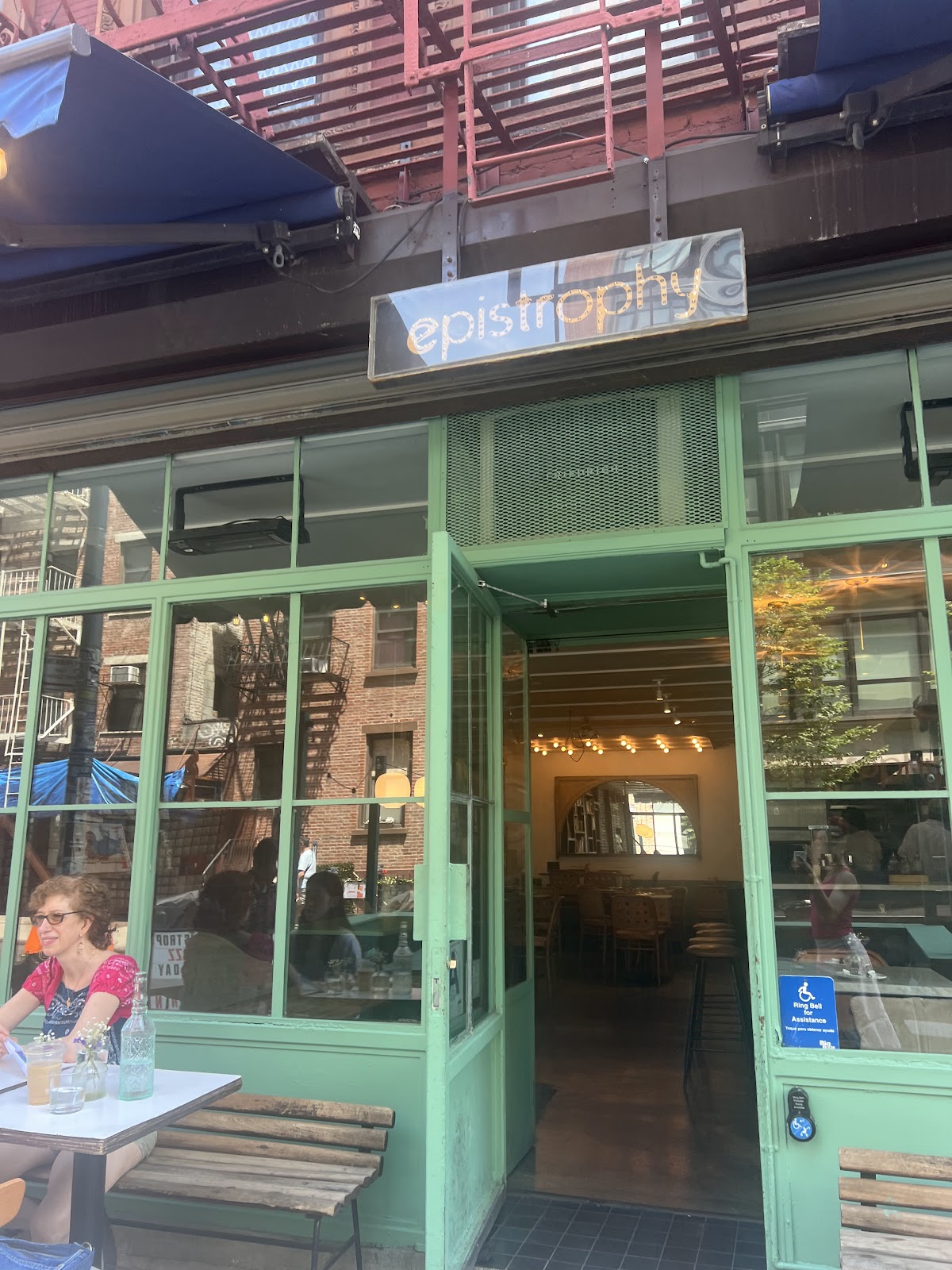
Walk into Epistrophy on any given afternoon and you'll find the same distressed brick walls, the same window sofa, the same dog-eared Italian magazines fanned across small tables. There's a community table. There's no Instagram aesthetic. The three Sardinian friends who opened it—Giorgia Zedda, Luca Fadda, and Nico Paganelli—didn't build this place to become famous. They built it because they were homesick, and they wanted to cook for people the way their families had cooked for them. Over a decade later, that hasn't changed, even as every other block in Nolita has cycled through three iterations of trendy.
The menu is almost defiantly narrow. You come here for Sardinia, not for the chef's ego. Culurgiones—those potato-and-cheese dumplings in tomato sauce—arrive looking homely and tasting like the point of living. Malloreddus alla Campidanese, the island's gnocchetti, carries the weight of sausage and parmigiano in the way that only something genuinely old-fashioned can. A bowl of spaghetti cacio e pepe with fresh tagliarini and three Italian cheeses becomes a small philosophy about restraint and texture. The polpettine di vitello—grass-fed veal and beef meatballs in white wine sauce with lemon zest—taste like someone's Sunday dinner, not someone's recipe test.
What makes Epistrophy matter now, in a neighborhood that has largely surrendered to the algorithm, is that it has chosen not to play. No major outlet has written it up until now. The customers are neighbors and people who've heard from neighbors. Sunday nights bring live jazz—the name itself is Thelonious Monk and Kenny Clarke—but not the kind that requires you to dress up or arrive on time. The hospitality inside is the kind that's mostly extinct in this part of the city: unhurried, genuinely interested in whether you're comfortable, built on the assumption that a restaurant is a place to stay awhile, not a checkbox in your evening.
There's no moral superiority in being under the radar, of course. But there is something that matters: Epistrophy remains Sardinian-souled because it was never designed for the attention economy. The kitchen cooks the same dishes the same way because nobody told them they needed to pivot. The regulars know each other because there's been time for that to happen. It's the kind of place you walk past a hundred times before you understand what's inside. Walk in early in the week, sit at the community table if you can, and order enough to stay.